
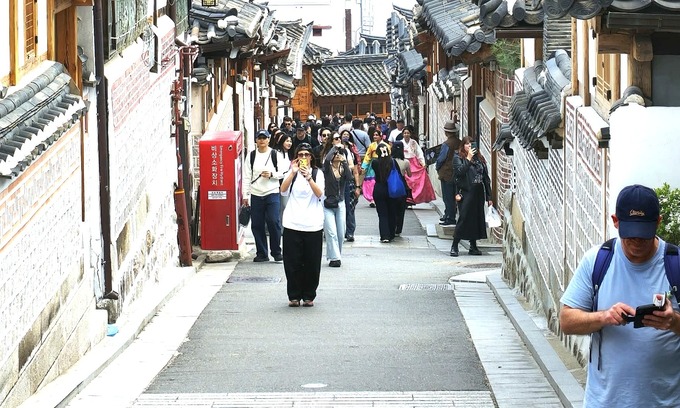
South Korea Welcomes 10.7M Visitors, Exceeds Pre-Covid Tourism Levels
Comprehensive Summarization: The article discusses a significant increase in South Korea's inbound tourism in the first half of the year,...
Read moreDetailsEvery alert that matters — when it happens.

Seoul Tourism Information Center / Photo = Seoul Tourism Foundation
South Korea is experiencing a significant surge in "untact" tourism, a trend that prioritizes contactless experiences and caters to evolving traveler preferences in the post-pandemic era. This burgeoning sector is not just a temporary reaction to global health concerns but represents a fundamental shift in how people engage with travel destinations. The Korean tourism industry is actively embracing and innovating within this space, offering a glimpse into the future of global travel.
The rise of untact tourism is driven by a desire for safety, personalization, and efficiency. Travelers are seeking experiences that minimize physical interaction while maximizing individual enjoyment and control. This translates into a demand for self-guided tours, digital concierges, automated check-in processes, and experiences that can be enjoyed independently or in small, curated groups. Destinations are responding by leveraging technology to create seamless and engaging journeys.
South Korea’s rich cultural heritage and advanced technological infrastructure make it an ideal landscape for untact tourism to flourish. From smart tourism platforms that offer personalized recommendations and booking services to interactive museums and digital art installations, the country is well-positioned to meet these new demands. The focus is on creating immersive yet distanced experiences that still capture the essence of Korean culture and hospitality.
Key to this transformation is the integration of technology. Mobile apps are becoming central to the traveler’s journey, providing everything from navigation and information to virtual reality tours and contactless payment options. This not only enhances convenience but also allows for a more tailored and responsive travel experience, adapting to individual interests and pace. The aim is to empower travelers with information and choice at every touchpoint.
Furthermore, the untact model is fostering a more sustainable approach to tourism. By encouraging independent exploration and the use of digital resources, the industry can potentially reduce the environmental impact associated with mass tourism. It also opens up opportunities for exploring less-trafficked areas, distributing the benefits of tourism more widely and offering a more authentic experience.
The success of untact tourism in South Korea is a testament to its adaptability and forward-thinking approach. By anticipating and responding to the changing needs of travelers, the nation is setting a benchmark for how other destinations can evolve in this new era of travel. This focus on contactless, personalized, and technologically driven experiences is likely to remain a dominant force in the global tourism landscape for years to come, offering a pathway to resilient and engaging travel.
Read the Complete Article.
Comprehensive Summarization: The article discusses a significant increase in South Korea's inbound tourism in the first half of the year,...
Read moreDetails

Experience the magic of the Nile aboard Kenzy Dahabeya, a luxury boutique sailing cruise that offers an unforgettable journey between...
Read moreDetails





