South Korea Welcomes 10.7M Visitors, Exceeds Pre-Covid Tourism Levels
Comprehensive Summarization: The article discusses a significant increase in South Korea's inbound tourism in the first half of the year,...
Read moreDetailsEvery alert that matters — when it happens.
Seoul, South Korea’s Tourism Booms with Record-Breaking Growth Following KPop Demon Hunters Success,...
Comprehensive Summarization:
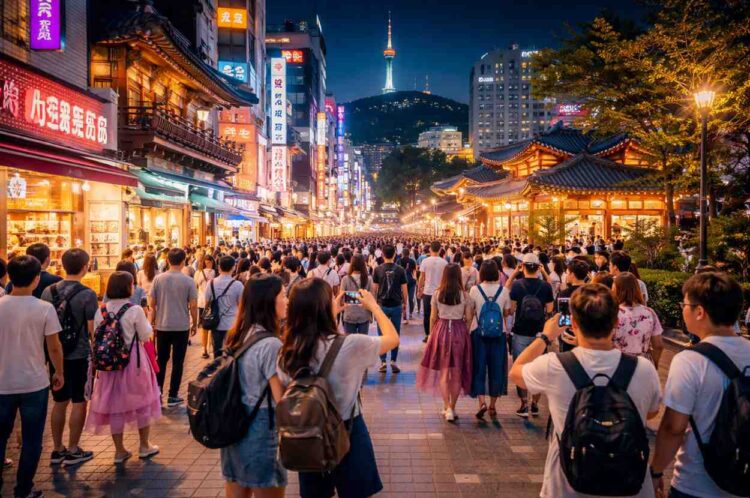
Seoul, South Korea’s capital, is experiencing a tourism boom following the overwhelming success of the film “KPop Demon Hunters.” This surge in international travelers visiting Seoul marks a new era for the city’s travel industry, as fans from around the world flock to explore iconic filming locations, immerse themselves in Korean culture, and enjoy the city’s offerings. The article highlights the transformative impact of K-pop culture on tourism, positioning Seoul as a key player in the global travel landscape.
Key Points:
Actionable Takeaways:
Leverage K-pop Culture for Tourism Marketing: Travel agencies and tourism boards should capitalize on the K-pop phenomenon by integrating K-pop culture into their marketing strategies. This could include creating themed tours, collaborating with K-pop artists for promotional events, and highlighting filming locations in promotional materials. This approach aligns with current trends in travel marketing that leverage pop culture to attract global audiences.
Invest in K-pop-Themed Experiences: There is a clear opportunity for travel startups and tourism operators to develop K-pop-themed experiences, such as guided tours of filming locations, K-pop music workshops, and cultural immersion programs. This aligns with the growing trend of experiential travel, where tourists seek unique, immersive experiences that go beyond traditional sightseeing.
Enhance Digital Marketing Strategies: Given the global reach of K-pop, travel businesses should enhance their digital marketing strategies to target international audiences. This includes leveraging social media platforms popular among K-pop fans, optimizing content for search engines to attract K-pop-related searches, and utilizing influencer partnerships to reach a broader audience. This strategy is crucial for tapping into the international fan base of K-pop and driving tourism to Seoul.
Contextual Understanding:
The article’s context is deeply rooted in the current global fascination with K-pop culture and its impact on various industries, including tourism. The success of “KPop Demon Hunters” has not only boosted tourism in Seoul but also underscores the broader trend of cultural phenomena driving travel trends. This phenomenon is part of a larger shift in the travel industry towards experiential travel, where tourists seek authentic, culturally rich experiences. The integration of K-pop culture into tourism offers a unique opportunity for cities like Seoul to leverage their cultural assets to attract a diverse and enthusiastic global audience. Furthermore, the article highlights the importance of digital marketing in reaching international audiences, reflecting the increasing reliance on online platforms to promote travel destinations and experiences.
Handling Different Article Types:
The article in question is a news blurb, providing a concise overview of a significant tourism development in Seoul. News blurbs typically focus on factual information and key developments, making them ideal for quick updates and broad dissemination. In handling such articles, it is essential to capture the main theme, key points, and overall context while adhering strictly to the facts provided. This approach ensures that the summary remains accurate, informative, and relevant to a professional audience interested in travel industry trends and developments.
Read the Complete Article.
Comprehensive Summarization: The article discusses a significant increase in South Korea's inbound tourism in the first half of the year,...
Read moreDetails

Experience the magic of the Nile aboard Kenzy Dahabeya, a luxury boutique sailing cruise that offers an unforgettable journey between...
Read moreDetails