
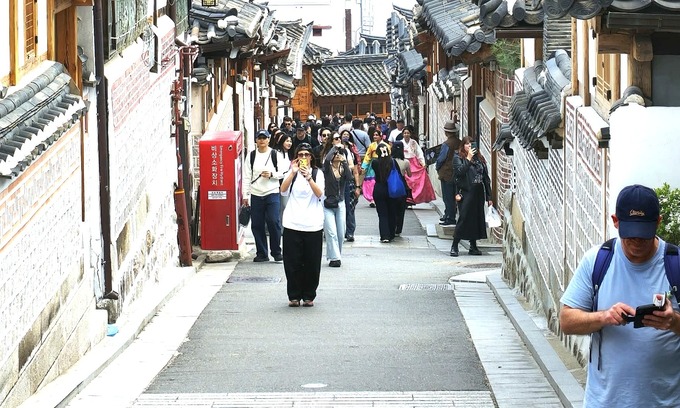
South Korea Welcomes 10.7M Visitors, Exceeds Pre-Covid Tourism Levels
Comprehensive Summarization: The article discusses a significant increase in South Korea's inbound tourism in the first half of the year,...
Read moreDetailsEvery alert that matters — when it happens.

South Korea’s Game-Changing Visa-Free Entry Boost Powers Soaring Chinese Consumer Stocks Unlocking H...
South Korea is experiencing a significant tourism resurgence, largely driven by its strategic visa-free entry initiatives targeting Chinese travelers. This policy shift is not only revitalizing the nation’s travel and hospitality sectors but is also having a ripple effect on related industries like casinos and duty-free retail, creating a powerful economic engine for growth.
The recent relaxation of visa requirements has demonstrably boosted inbound tourism from China, a critical market for South Korea. This influx of visitors is directly translating into increased demand across the board. Hotels are seeing higher occupancy rates, tour operators are experiencing a surge in bookings, and popular tourist destinations are buzzing with activity. The ease of access provided by visa-free entry removes a significant barrier for potential travelers, encouraging spontaneous trips and longer stays.
Beyond traditional tourism, South Korea’s integrated resort developments and casinos are poised to benefit immensely. Chinese visitors have historically been a significant demographic for these establishments, and the new visa policies are expected to significantly increase their numbers. This translates into higher gaming revenues and increased spending on entertainment and amenities within these resorts, contributing to job creation and local economic development.
The duty-free sector, a long-standing pillar of South Korean retail, is also set for a substantial uplift. With more Chinese tourists on Korean soil, there’s a natural increase in spending on luxury goods, cosmetics, fashion, and local specialties. Duty-free shops, strategically located in airports and tourist hubs, are well-positioned to capture this increased consumer spending, reinforcing their role as key revenue generators for the country.
This proactive approach by the South Korean government underscores a clear understanding of the economic leverage that tourism, particularly from major markets like China, can provide. By simplifying travel procedures, they are effectively unlocking substantial growth potential across multiple interconnected industries. The positive impact is not limited to just increased visitor numbers; it’s about fostering a more robust and dynamic economic ecosystem. The continued success of these initiatives will likely depend on sustained promotional efforts, quality of service, and the ongoing appeal of South Korea as a premier travel destination. The future looks bright for South Korea’s tourism and associated industries, thanks to this game-changing visa policy.
Read the Complete Article.
Comprehensive Summarization: The article discusses a significant increase in South Korea's inbound tourism in the first half of the year,...
Read moreDetails

Experience the magic of the Nile aboard Kenzy Dahabeya, a luxury boutique sailing cruise that offers an unforgettable journey between...
Read moreDetails





