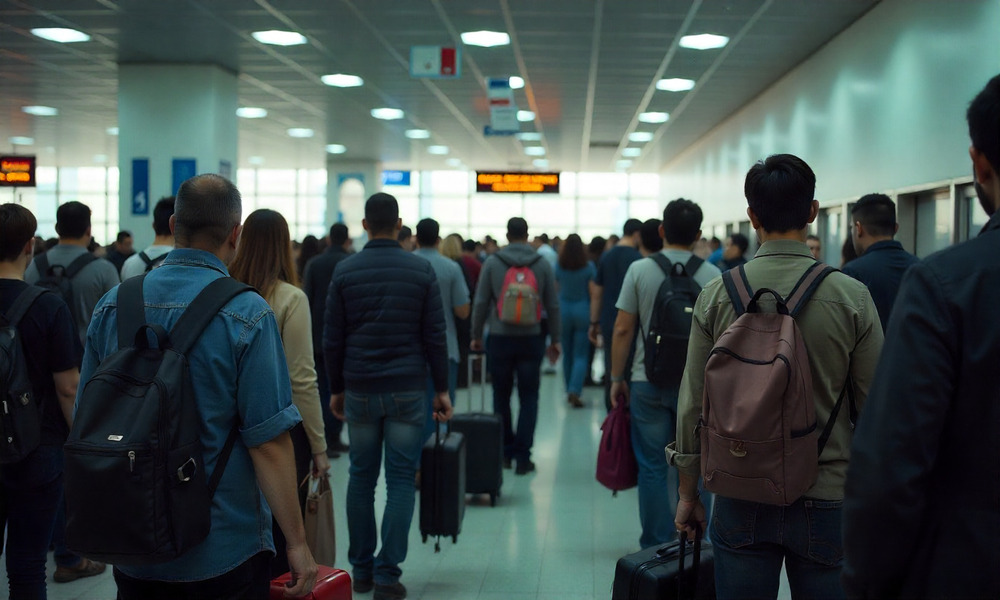



![[UPDATED] 17 Malaysians among 291 foreign nationals reported missing after Nepal floods](https://images.traveltrade.today/wp-content/uploads/2026/08/17-Malaysians-and-274-Others-are-Missing-After-Nepal-Floods.jpg)






Sail Through Time: Discover the Timeless Wonders of Upper Egypt Aboard Kenzy Dahabeya
Experience the magic of the Nile aboard Kenzy Dahabeya, a luxury boutique sailing cruise that offers an unforgettable journey between...
Read moreDetails
Libya Joins Sudan, Somalia, Yemen, Chad, Haiti, Laos, Burkina Faso, Syria, Mali And More In Facing F...
Article Summary:
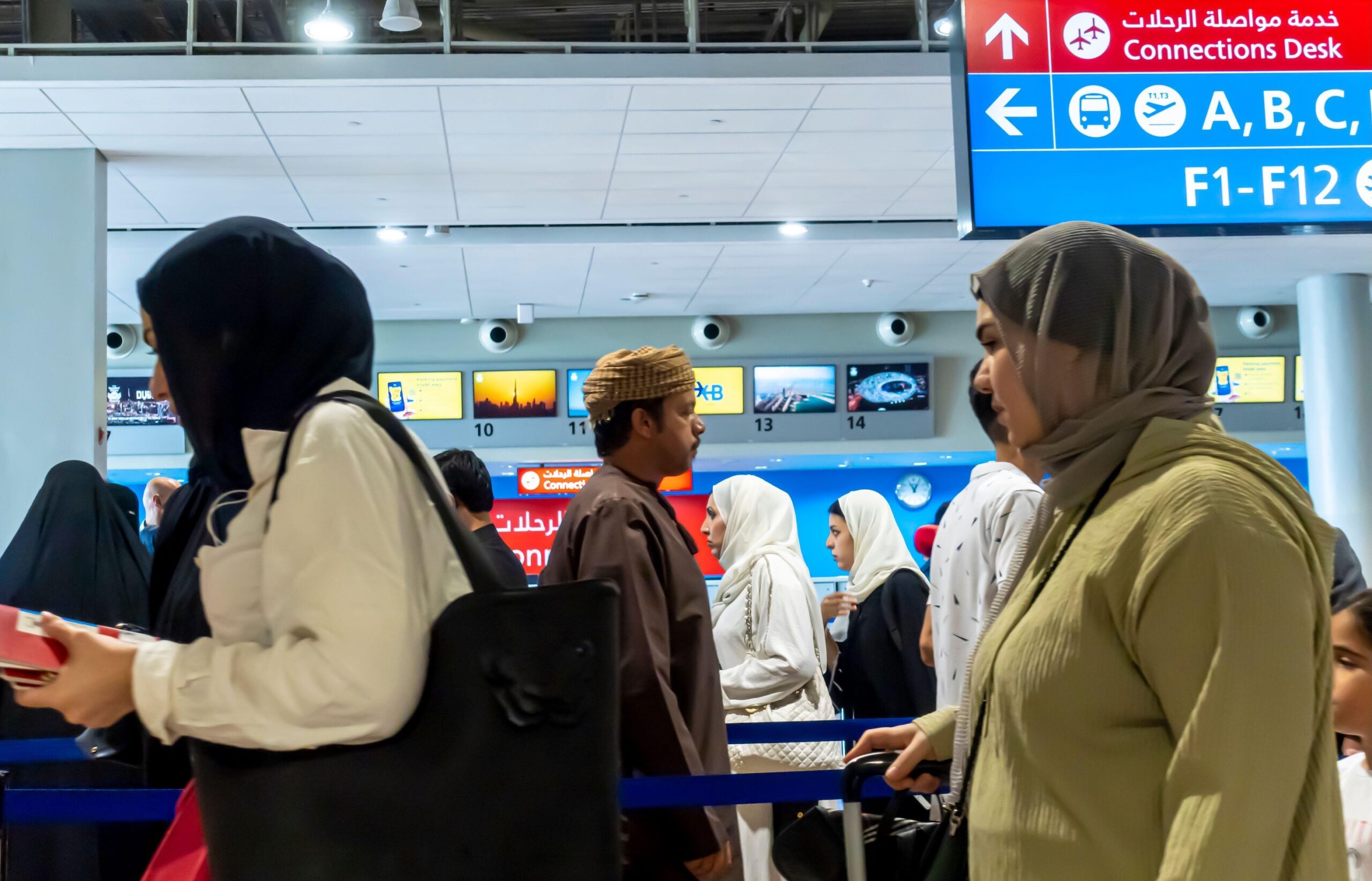
The United States has recently expanded its travel ban to include nationals from several countries, including Libya, Sudan, Somalia, Yemen, Chad, Haiti, Laos, Burkina Faso, Syria, and Mali. This decision is driven by concerns over national security and deficiencies in vetting procedures. The expanded travel restrictions have significant implications for international travel, tourism, and immigration policies, leading to stricter entry requirements such as enhanced screenings and limitations on the types of travel permitted.
Key Points:
Actionable Takeaways:
Contextual Insights:
The recent expansion of the U.S. travel ban reflects ongoing global concerns over national security and the need for stringent vetting procedures. This development is particularly relevant in the context of the evolving travel industry, where security and efficiency are paramount. The article aligns with current trends towards enhanced security measures and the increasing importance of technology in travel. For instance, the rise of AI-driven security solutions and biometric authentication systems could play a crucial role in addressing the vetting deficiencies highlighted in the article. Additionally, the travel industry may see a surge in demand for innovative solutions that streamline the travel process while ensuring compliance with stringent security protocols. This context underscores the importance of adaptability and innovation in navigating the challenges posed by evolving travel policies.
Read the Complete Article.
Experience the magic of the Nile aboard Kenzy Dahabeya, a luxury boutique sailing cruise that offers an unforgettable journey between...
Read moreDetails



