Singapore welcomes over 600,000 Indian visitors in H1 2026
THE NEWS: Singapore welcomed more than 600,000 Indian visitors in the first half of 2026, reinforcing its role as a...
Read moreDetailsEvery alert that matters — when it happens.

Comprehensive Summarization:
The article recounts the historical journey of over 80,000 people who fled Singapore during the Japanese invasion in 1942, boarding the last ferries to Sumatra, Indonesia. This poignant historical narrative is being recreated for present-day audiences, offering a unique opportunity for the public to trace the maritime route taken by those fleeing Japanese bombings and shellings during World War II. The event, part of Passages, is scheduled to run from weekends between February 21 and March 8, providing a tangible link to a significant historical event and its impact on migration and rebuilding life elsewhere.
Key Points:
Actionable Takeaways:
Historical Education and Remembrance: The recreation of the WWII escape route serves as an educational tool, allowing present-day audiences to connect with a significant historical event. This can foster a deeper understanding of historical events and their impact on migration and rebuilding life elsewhere. It also serves as a reminder of the resilience and courage of those who faced such challenges during wartime.
Cultural and Historical Tourism: The event presents an opportunity for cultural and historical tourism, attracting visitors interested in World War II history. This can stimulate local economies, particularly in areas related to tourism, hospitality, and historical preservation. It also highlights the importance of preserving and sharing historical narratives to educate future generations.
Contextual Insights:
The recreation of the WWII escape route from Singapore to Sumatra is not just a historical reenactment; it is a modern-day homage to resilience and survival. This event aligns with current travel trends that emphasize experiential learning and cultural immersion. By offering a tangible link to a pivotal moment in history, the event taps into the growing interest in historical tourism, where travelers seek to understand and experience the past firsthand. Furthermore, it underscores the importance of preserving historical narratives, a trend that is increasingly recognized in the travel industry as a means of fostering cultural understanding and empathy.
In the context of travel tech, this event could inspire innovations in virtual reality (VR) and augmented reality (AR) experiences, allowing a broader audience to virtually experience the journey. This aligns with the trend of leveraging technology to enhance travel experiences and educate travelers about different cultures and historical events. Additionally, the event could serve as a case study for startups in the travel and tourism sector, demonstrating the potential of historical reenactments as a form of experiential tourism.
Read the Complete Article.
THE NEWS: Singapore welcomed more than 600,000 Indian visitors in the first half of 2026, reinforcing its role as a...
Read moreDetails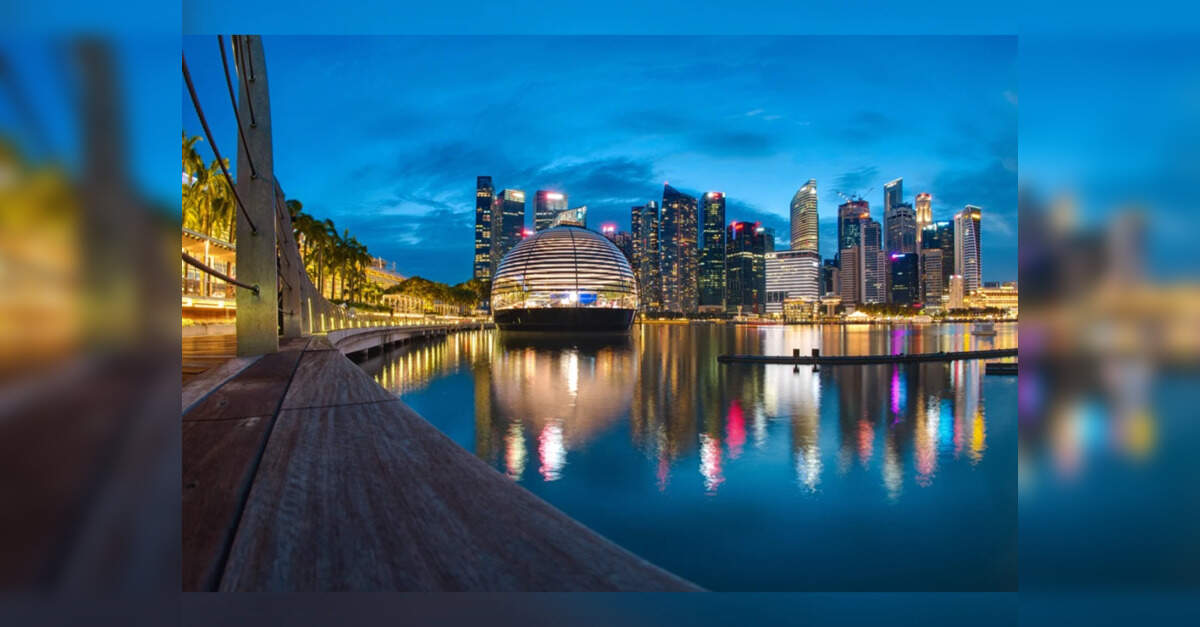
Experience the magic of the Nile aboard Kenzy Dahabeya, a luxury boutique sailing cruise that offers an unforgettable journey between...
Read moreDetails