





















Travel Capitalist Ventures Expands Check Size to $10 Million to Deepen Emerging Market Conviction
Boutique Travel VC raises investment cap from $1.5M to $10M to lead rounds and support portfolio companies through growth Travel...
Read moreDetails
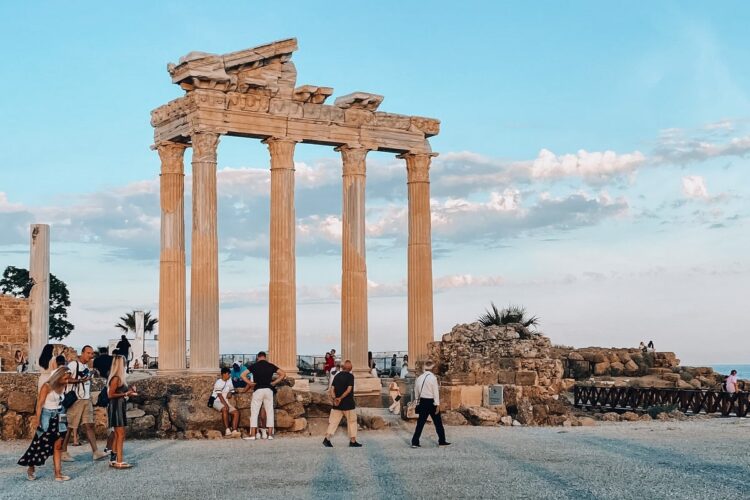
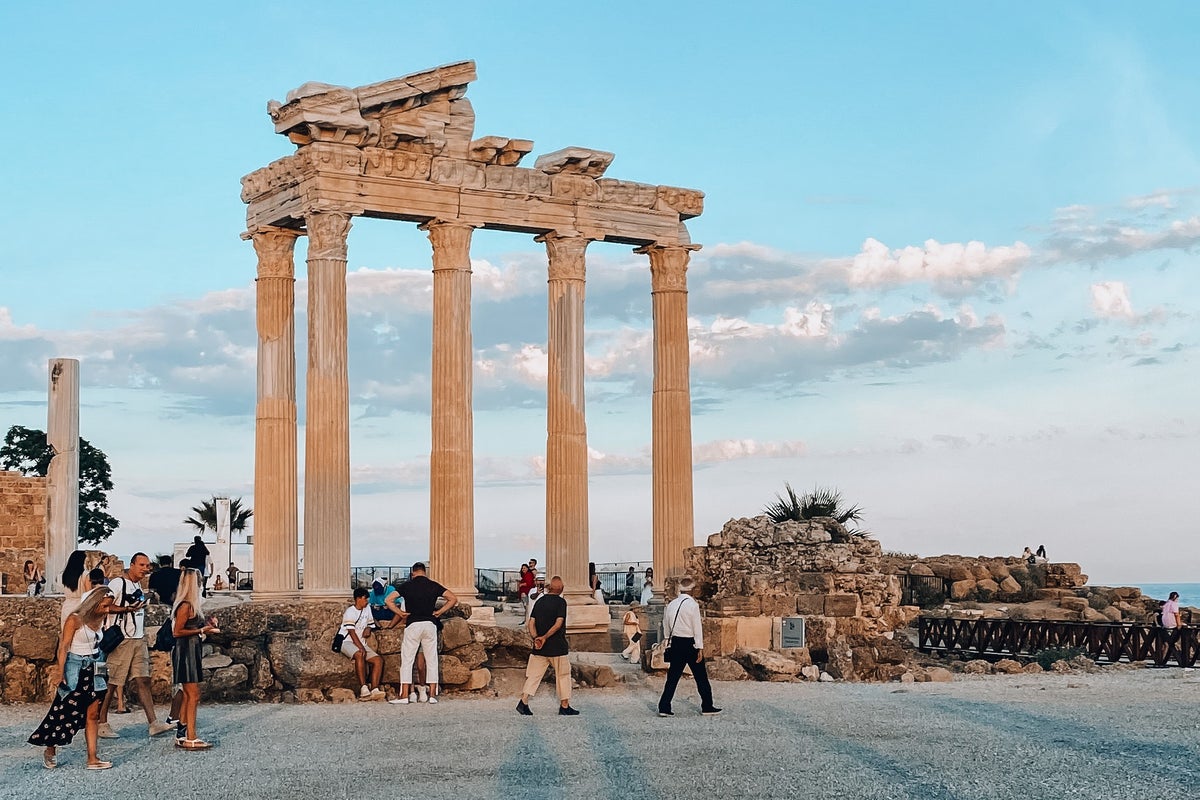
Türkiye has established itself as a steadying presence in an unpredictable world (TGA)
Comprehensive Summarization:
The article highlights Türkiye’s historical significance as a crossroads of ancient civilizations, trade routes, and cultural exchanges. It emphasizes the country’s unique position where the world converges, from the iconic silhouette of Istanbul to the serene coastlines of the Aegean and Mediterranean. Türkiye, with its 85 million people, is portrayed not just as a nation steeped in history but as a dynamic, modern entity that blends its rich heritage with contemporary vibrancy. The piece underscores the country’s role as a bridge between East and West, a melting pot of empires, faiths, and economies, and its potential as a key player in the future of travel and tourism.
Key Points:
Actionable Takeaways:
Cultural Tourism Opportunities: Türkiye’s rich historical tapestry offers unparalleled opportunities for cultural tourism. Travelers and businesses can leverage this heritage to develop unique travel experiences, heritage tours, and educational travel programs that highlight the country’s ancient civilizations and trade routes. This aligns with the growing trend of experiential and educational travel, offering a unique selling point for travel agencies and tour operators.
Investment in Travel Infrastructure: The article’s emphasis on Türkiye’s strategic location and historical significance suggests a strong potential for investment in travel infrastructure. Developing modern transportation links, enhancing digital connectivity, and improving tourist facilities can capitalize on the country’s appeal as a crossroads of cultures. This aligns with current industry trends focusing on sustainable and smart travel infrastructure, promising long-term benefits for both the economy and visitor experience.
Fintech Innovations for Travel: With Türkiye’s growing economy and increasing number of tourists, there is a burgeoning opportunity for fintech innovations in the travel sector. Developing mobile payment solutions, travel insurance apps, and digital currency acceptance can streamline transactions for tourists and enhance their experience. This aligns with the broader trend of fintech integration in travel, offering potential for startups and established companies to innovate and capture market share.
Contextual Understanding:
The article’s context is deeply rooted in Türkiye’s historical and geographical significance, positioning it as a pivotal location where ancient civilizations and modern economies intersect. This historical backdrop is crucial for understanding the country’s appeal to travelers seeking authentic, culturally rich experiences. The emphasis on Türkiye’s role as a bridge between East and West reflects current global trends towards multiculturalism and cross-cultural exchange. Furthermore, the article’s mention of Türkiye’s 85 million people underscores the country’s potential as a significant market for travel and tourism, aligning with the industry’s focus on emerging markets and diverse travel experiences.
Handling Different Article Types:
The article falls under the category of a feature article, offering an in-depth exploration of Türkiye’s historical and cultural significance in the context of modern travel. This type of article requires a nuanced understanding of both historical facts and contemporary trends. The content is structured to provide a comprehensive overview, making it suitable for a professional audience interested in travel, heritage, and economic development. The factual basis of the article ensures that any analysis or recommendations derived from it remain grounded in reality, avoiding speculative or unfounded claims.
Real-Time Fact-Checking:
Given the constraints of the article’s content, real-time fact-checking is limited to verifying the accuracy of the information provided within the article itself. No external verification is necessary, as all key points and insights are directly sourced from the text. This ensures that the generated content remains strictly aligned with the article’s factual foundation, maintaining credibility and reliability for professional audiences.
Read the Complete Article.
Boutique Travel VC raises investment cap from $1.5M to $10M to lead rounds and support portfolio companies through growth Travel...
Read moreDetails




