











Sail Through Time: Discover the Timeless Wonders of Upper Egypt Aboard Kenzy Dahabeya
Experience the magic of the Nile aboard Kenzy Dahabeya, a luxury boutique sailing cruise that offers an unforgettable journey between...
Read moreDetails
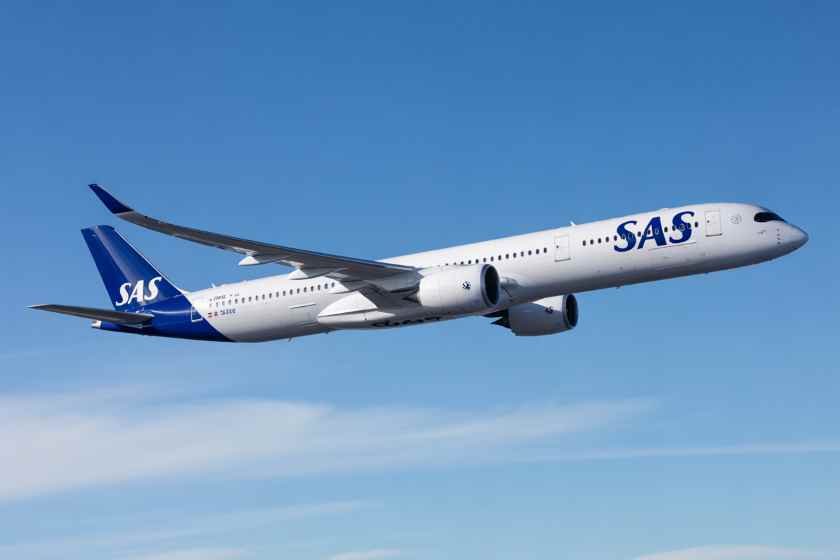
Unlock the Best of Dubai and Thailand: SAS’s New Routes Make It Possible
Comprehensive Summarization:
SAS, a leading airline, is expanding its long-haul routes for the Winter 2026/27 season, introducing three new intercontinental flights from Copenhagen to Dubai, Phuket, and Krabi. This strategic move aligns with the growing demand for travel to the Middle East and Asia, aiming to enhance Copenhagen’s role as the primary hub for Scandinavian travelers seeking global connections. The expansion reflects SAS’s broader strategy to capitalize on international travel trends while reinforcing its position in the competitive travel market.
Key Points:
Actionable Takeaways:
Strategic Expansion Opportunity: SAS’s addition of new long-haul routes presents an opportunity for airlines to capitalize on the rising demand for travel to the Middle East and Asia. This expansion could lead to increased market share and revenue growth, particularly for airlines that effectively integrate these routes into their network strategies.
Enhanced Copenhagen Hub Positioning: By expanding its long-haul network, SAS reinforces Copenhagen’s role as a key hub for Scandinavian travelers. This strategic positioning can enhance the city’s appeal as a travel destination, potentially boosting local tourism and related industries such as hospitality and retail.
Focus on International Connectivity: SAS’s strategy highlights a broader industry trend towards enhancing global connectivity. Airlines that invest in expanding their intercontinental routes can better serve the evolving needs of modern travelers, who increasingly seek seamless, multi-destination travel experiences. This focus on connectivity can drive innovation in travel tech, such as improved booking platforms and integrated travel solutions.
Contextual Understanding:
The article’s context is rooted in the ongoing evolution of the global travel industry, marked by increasing demand for international travel and the strategic positioning of key hubs. Recent trends indicate a shift towards longer-haul flights as travelers seek to explore new destinations beyond traditional European and North American markets. SAS’s expansion aligns with this trend, reflecting a broader industry shift towards connecting more regions and catering to the diverse travel preferences of modern consumers. Furthermore, the airline’s strategic focus on long-haul routes underscores the importance of technological advancements in travel, such as improved aircraft efficiency and enhanced passenger experience technologies, which are critical for maintaining competitive advantage in the industry.
Handling Different Article Types:
The article is a news blurb, providing factual information about SAS’s strategic expansion. The structured output format ensures clarity and relevance for a professional audience, emphasizing key developments and actionable insights derived directly from the article’s content.
markdown
Comprehensive Summarization:
SAS is expanding its long-haul routes for the Winter 2026/27 season, adding flights from Copenhagen to Dubai, Phuket, and Krabi. This move aligns with the growing demand for travel to the Middle East and Asia, aiming to enhance Copenhagen’s role as a key hub for Scandinavian travelers.
Key Points:
Actionable Takeaways:
Contextual Insights:
The article reflects current industry trends towards expanding long-haul routes and enhancing global connectivity. SAS’s strategic move aligns with the industry’s shift towards connecting more regions and catering to the evolving preferences of modern travelers. The focus on international expansion underscores the importance of technological advancements in travel, such as improved aircraft efficiency and enhanced passenger experience technologies, in maintaining competitive advantage.
Read the Complete Article.
Experience the magic of the Nile aboard Kenzy Dahabeya, a luxury boutique sailing cruise that offers an unforgettable journey between...
Read moreDetails



