











Sail Through Time: Discover the Timeless Wonders of Upper Egypt Aboard Kenzy Dahabeya
Experience the magic of the Nile aboard Kenzy Dahabeya, a luxury boutique sailing cruise that offers an unforgettable journey between...
Read moreDetails
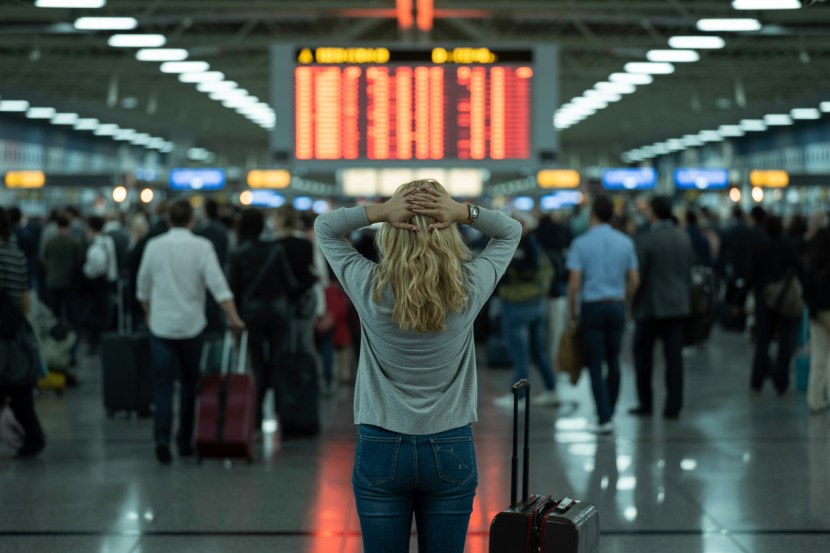
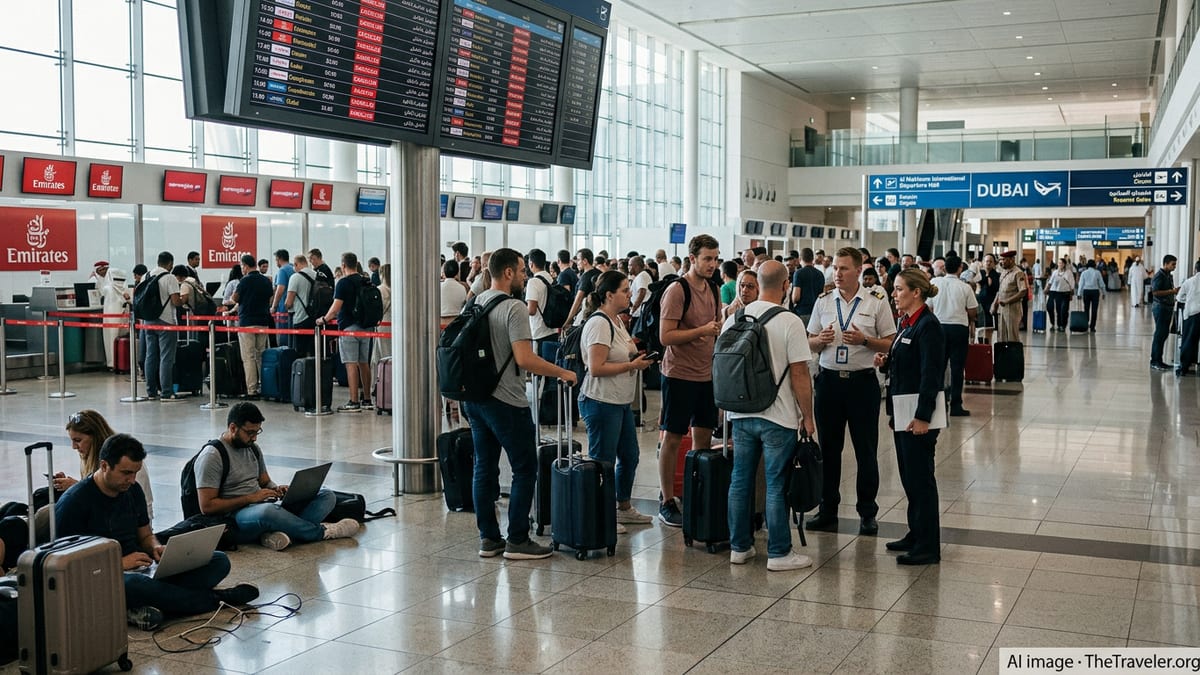
Thousands Of Passengers Trapped Around Asia As Thailand, Japan, Singapore, UAE, India, Indonesia, An...
Comprehensive Summarization:
The article reports on a significant disruption in air travel across Asia, affecting thousands of passengers. This disruption is caused by operational delays and cancellations involving major airlines such as AirAsia, Emirates, Japan Airlines, Thai Airways, Malaysia Airlines, and others. The affected routes include Dubai, Tokyo, Bangkok, Kolkata, and other major Asian cities. The disruption is attributed to various operational issues, leading to 2,120 flights delayed and 58 flights canceled. The article highlights the impact on major airlines and the inconvenience faced by thousands of passengers stranded across Singapore, India, Japan, and other affected regions.
Key Points:
Actionable Takeaways:
Enhanced Operational Resilience: Airlines and airports should invest in robust operational planning and contingency strategies to mitigate the impact of unforeseen disruptions. This includes real-time monitoring of operational metrics and having flexible staffing and resource allocation plans to quickly adapt to changes.
Improved Passenger Communication: Airlines should prioritize clear and timely communication with passengers during disruptions. Implementing advanced communication systems that provide real-time updates on flight status, rebooking options, and refunds can significantly enhance passenger experience and trust.
Investment in Technology: The article underscores the need for technological advancements in air travel operations. Investing in AI-driven predictive analytics and automation can help airlines anticipate and manage disruptions more effectively, reducing the frequency and impact of cancellations and delays.
Contextual Understanding:
The disruption in air travel across Asia is a reflection of the broader challenges faced by the global travel industry, particularly in managing operational complexities and ensuring passenger safety and satisfaction. Recent trends indicate a growing reliance on technology to enhance operational efficiency and passenger experience. Innovations in AI and data analytics are becoming crucial for real-time decision-making and predictive maintenance, which are essential in preventing and managing disruptions. Furthermore, the article aligns with the current emphasis on resilience and adaptability in the travel sector, as airlines and airports strive to recover from the impacts of the COVID-19 pandemic and other global uncertainties.
Handling Different Article Types:
The article is a news blurb, providing factual information about a significant disruption in air travel. The summary, key points, and actionable takeaways are structured to reflect the factual nature of the content, ensuring clarity and relevance for a professional audience. The insights provided are directly sourced from the article, adhering strictly to the facts and context provided.
Read the Complete Article.
Experience the magic of the Nile aboard Kenzy Dahabeya, a luxury boutique sailing cruise that offers an unforgettable journey between...
Read moreDetails



