








Sail Through Time: Discover the Timeless Wonders of Upper Egypt Aboard Kenzy Dahabeya
Experience the magic of the Nile aboard Kenzy Dahabeya, a luxury boutique sailing cruise that offers an unforgettable journey between...
Read moreDetails
Online trends are driving growth in inbound tourism to China
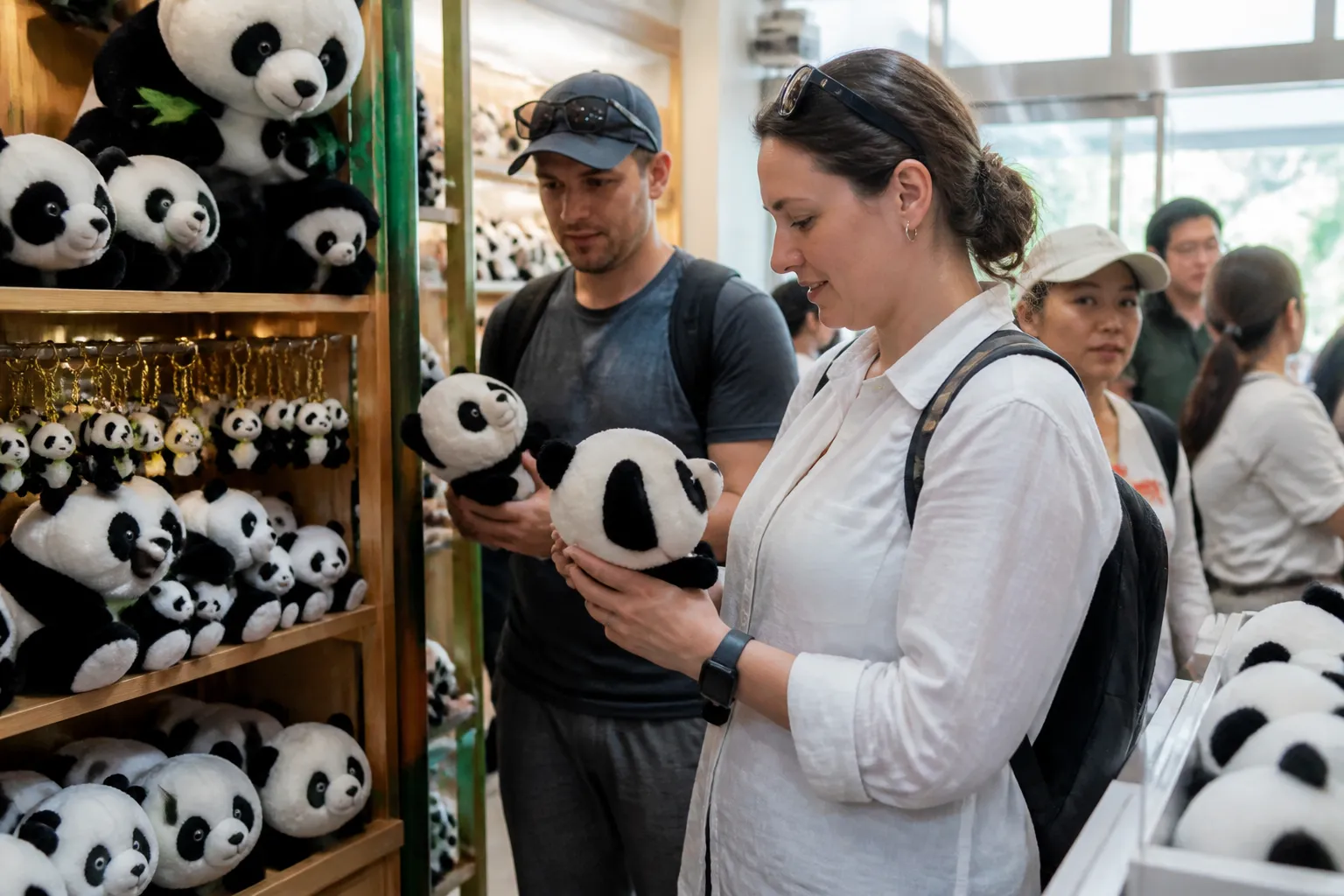
THE NEWS: Hotel bookings by foreign visitors in Guizhou Province have jumped 84% as travelers flock to ethnic villages and mountainous areas, a surge linked to the viral “China Cool” and “Chinamaxxing” online trends that are reshaping tourism in China, according to ECNS. The trend reflects a growing appetite for “China Living,” where tourists seek to experience everyday life rather than just traditional sightseeing.
DETAILS:
WHY IT MATTERS: The surge underscores a shift toward immersive, local‑experience tourism in China, prompting operators to develop more “China Living” itineraries.
FAQ
Read Original Article.
Experience the magic of the Nile aboard Kenzy Dahabeya, a luxury boutique sailing cruise that offers an unforgettable journey between...
Read moreDetails



