












Article Summary:
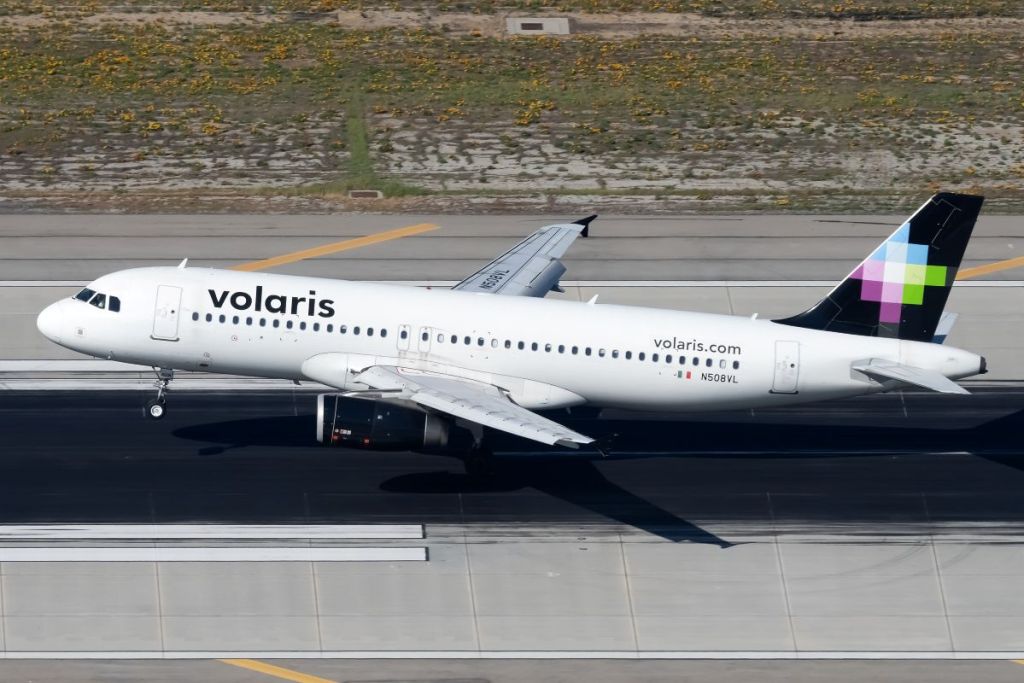
Volaris and Viva Aerobus, Mexico’s two largest low-cost carriers, are planning to merge into a new holding company structure, forming the Mexican Airline Group. This proposed merger of equals will allow both companies to continue operating independently, retaining their existing brands, leadership teams, and operating certificates. If approved, the merger would significantly reshape Mexico’s aviation landscape, positioning the brands as more formidable competitors to full-service flag carrier Aeromexico.
Key Points:
- Volaris and Viva Aerobus are merging to form the Mexican Airline Group, a new holding company structure.
- Both companies will retain their existing brands, leadership teams, and operating certificates.
- The merger aims to strengthen their competitive position against Aeromexico in the Mexican aviation market.
- The proposed merger is expected to significantly reshape Mexico’s aviation landscape.
Actionable Takeaways:
-
Increased Market Competitiveness: The merger of Volaris and Viva Aerobus is likely to enhance their competitive edge in the Mexican aviation market. By combining resources and operations, the new entity could offer more competitive pricing, improved service, and broader route networks, potentially attracting more passengers away from Aeromexico.
-
Strengthened Brand Positioning: Retaining their existing brands and leadership teams suggests that the merger aims to leverage the strengths of both companies. This strategic move could help the new entity establish a stronger brand presence in the market, potentially leading to increased market share and customer loyalty.
-
Potential for Operational Efficiency: Combining operations could lead to cost savings and operational efficiencies. Shared resources, streamlined processes, and economies of scale might result in reduced overhead costs, allowing the new airline group to offer more competitive fares and potentially invest in technological advancements to improve the travel experience.
Contextual Insights:
The proposed merger of Volaris and Viva Aerobus reflects a broader trend in the travel industry towards consolidation and strategic partnerships. As the aviation sector becomes increasingly competitive, airlines are exploring mergers and acquisitions to strengthen their market position, improve operational efficiencies, and enhance service offerings. This move aligns with the current industry trend of leveraging technology and data analytics to optimize operations and customer experiences.
Moreover, the aviation landscape in Mexico is evolving, with full-service carriers like Aeromexico facing increasing competition from low-cost carriers. The merger could signal a shift in the competitive dynamics of the Mexican market, potentially leading to more innovation and improved services for consumers. As the industry continues to embrace digital transformation and sustainability initiatives, the new airline group may also focus on integrating these aspects into their business model, further enhancing their appeal to modern travelers.
Handling Different Article Types:
The article provided is a news blurb, offering factual information about a significant development in the travel industry. The summary, key points, and actionable takeaways are structured to reflect the concise and factual nature of the article, ensuring clarity and relevance for a professional audience.
Read the Complete Article.



